Website Design Prices in South Africa: Understanding Costs and Value Factors

When it comes to creating a website, understanding the cost of website design in South Africa is essential for businesses aiming to establish an effective online presence. We know that prices can vary widely based on factors such as the complexity of the site, the features required, and the experience of the designers. This knowledge can help us make informed decisions and avoid potential pitfalls.
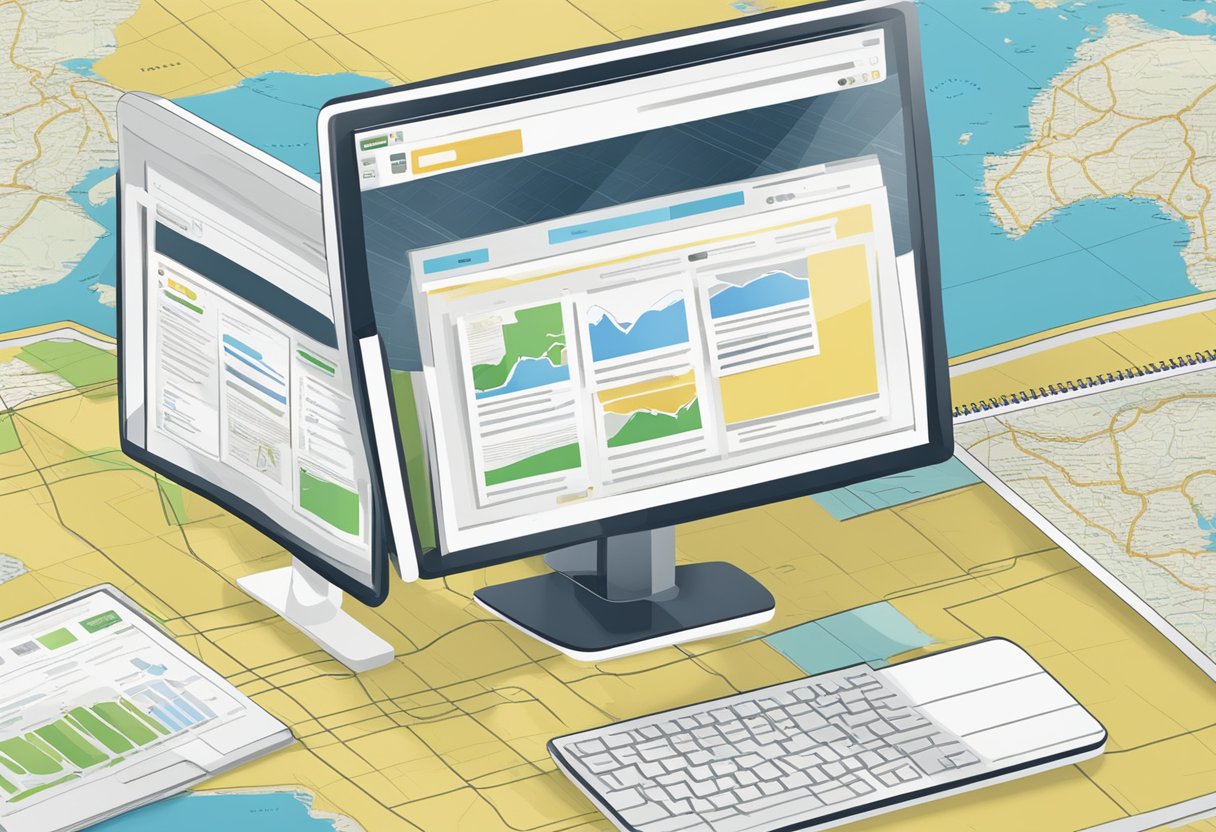
A computer screen showing various website design prices, with a map of South Africa in the background

Many options are available, with basic websites costing between R2,000 and R10,000 and more complex custom designs running from R20,000 to R50,000 or even higher. By knowing these ranges, we can tailor our budget to fit our specific needs and goals, ensuring that we invest wisely in our online strategy.

As we explore this topic, we will break down the different price points and what they typically include. This insight will empower us to choose the right design that not only meets our requirements but also enhances our brand in the digital space.

Determining Website Design Costs

A computer screen displaying various website design prices in South Africa

Understanding the costs associated with website design in South Africa involves examining various elements. We will explore key aspects such as the project’s scope, types of website designs, and factors that influence pricing.

Scope and Scale of the Project

The scope of a project is essential in determining the cost of website design. A basic website with fewer pages and limited functionality can range from R2,000 to R10,000. Conversely, larger projects, such as e-commerce websites or those with advanced features, can cost R20,000 or more.

The number of pages plays a significant role. Typically, a simple site with 5-10 pages falls into the lower price range. A medium website with 11-25 pages typically costs between R12,000 and R30,000.

Additionally, projects requiring ongoing management or updates may incur extra costs, especially if we need to implement a content management system (CMS).

Types of Website Design

We can choose between template-based designs and custom-designed websites, affecting the total cost. Template designs are often less expensive, as they use pre-made layouts and can be altered to fit needs. These prices usually range from R2,000 to R8,000.

On the other hand, custom websites are tailored to specific requirements and might include unique functionalities. This level of customisation can significantly increase costs, often reaching R50,000 or more depending on complexity.

Moreover, both types may need domain registration, which adds additional yearly fees.

Factors Influencing Price

Several factors influence the final price of a website design project. Design complexity can lead to increased costs. A responsive design that works on all devices ensures a better user experience but may raise expenses.

We should also consider the inclusion of SEO services and content creation, as these are vital for visibility and engagement. Integrating quality content not only improves user experience but also affects design intricacy.

Additional considerations include any specific functionalities, like payment gateways for e-commerce or interactive features, which will further impact the overall budget.

The Web Design Ecosystem in South Africa
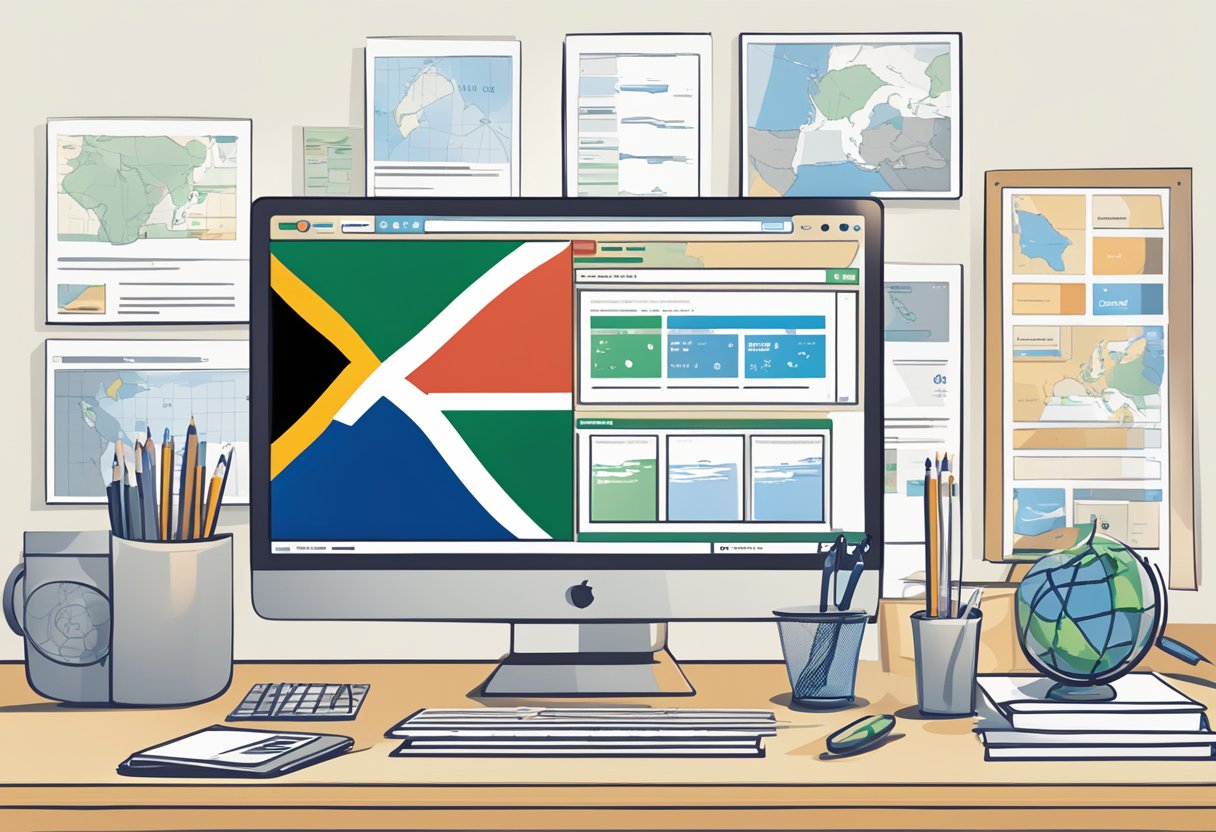
A computer screen displaying a website with a South African flag and various web design price listings. A designer's desk with drawing tools and a globe in the background

In South Africa, the web design ecosystem is diverse, with a wide range of service providers catering to different needs. This includes freelancers and established agencies, along with ongoing maintenance and support options that are essential for keeping websites functional and secure.

Service Providers Available

We have a variety of service providers in South Africa, ranging from freelance designers to large established agencies. Freelancers often offer competitive pricing and personalised service. Established agencies usually have a team of professionals with various specialisations, including user experience and SEO.

The choice between these options depends on the project’s complexity and budget. Agencies can handle larger projects, including e-commerce platforms, while freelancers might be better for simpler designs. Understanding the expertise of each provider helps us to select the right team for our needs.

Maintenance and Long-Term Costs

Website maintenance is a crucial aspect of the web design process. Once a website is launched, ongoing costs can arise from updates, support, and security measures like SSL certificates. Users should factor in these hidden costs when budgeting for a project.

Regular maintenance helps avoid issues with website functionality and security. Establishing contracts with service providers can ensure we receive prompt support when needed. Additionally, we should consider the costs of hosting and any SEO and marketing efforts necessary to keep our websites visible and effective.

more articles:

What Web Designers Do

Web Designing Courses

What’s Website Design?

Best Website Design Software 

How Salterra’s SEO Services Boosts Your Google Rankings

Salterra SEO’s Strategy for Top Rankings

With the rise of digital business, getting to the top on Google’s search results is vital to the success of your business. Salterra SEO offers the tools to get higher rankings. In the following sections, we’ll discuss how Salterra SEO Company works to improve your search rankings.

The Importance of SEO for Ranking Higher on Google

Optimizing your website for search engines is not simply placing keywords in content. It involves technical optimizations, relevant content, and building authoritative links. Salterra takes a comprehensive approach to optimize your site, ensuring you climb Google’s rankings.

Why Keyword Research is Critical for SEO Success

Successful SEO starts with keyword research. Salterra employs cutting-edge techniques to identify the most valuable keywords for your business. By focusing on the right keywords, the team at Salterra ensures that your site reaches the right audience.

On-Page SEO: Optimizing Your Website for Search Engines

Once the right keywords are found, web page optimization is critical. The experts at Salterra focus on your site’s structure to ensure your web pages is built for search engines. Using proper title tags to ensuring keyword placement, Salterra covers every aspect.

Creating the Right Content for Google

Content matters when it comes to Google rankings. Salterra understands the power of content. The team develops optimized content that incorporates strategic keywords, providing value to visitors. This increases your chances of ranking on Google.

The Role of Backlinks in Google Rankings

An important part of Google’s ranking algorithm is external links. The experts at Salterra focuses on building high-quality link-building strategies from authoritative sources in your field. Having strong backlinks, the higher Google ranks your site. Salterra’s link-building strategy targets increasing domain authority in the eyes of Google’s algorithm.

Technical SEO: The Hidden Key to Ranking Higher on Google

Behind the scenes, your site’s technical performance impacts your rankings. Salterra SEO addresses technical issues such as mobile responsiveness and indexing. A well-structured website is more likely to rank high on Google, and Salterra ensures your site is fully optimized.

The Importance of Analytics in SEO

Getting to the top is an evolving strategy. Salterra monitors your site’s performance using comprehensive reports. They provide easy-to-understand reports to help you understand what improvements can be made. This helps you adjust, your business can continue strong visibility.

Why Local SEO is Important for Your Business

Local companies that need local visibility, Local SEO is a must. Salterra helps you rank higher for nearby customers by enhancing your site for geo-targeted terms. They work with you on targeting location-specific search terms to make sure you dominate your local market.

In Summary: Why Salterra SEO Can Help Your Business

To wrap things up, Salterra is dedicated to helping you rank higher on Google. With a full range of services, you get the results you need. From keyword research to on-page SEO, Salterra’s team of experts will guide your business every step of the way. With Salterra by your side, you can achieve long-term success.

What does documents mean in the legal space?

What Does Documents Mean in the Legal Space?

In legal proceedings, the term “documents” refers to a wide array of written, printed, or electronic records that can be used as evidence or support legal arguments. According to the Munley Law Glossary, these documents play an essential role in establishing facts, proving or disputing claims, and aiding in the resolution of legal disputes. Legal documents are a cornerstone of the legal system, used to support cases, ensure compliance, and maintain official records.

What Qualifies as a Legal Document?

In the legal context, documents can encompass various types of records that serve different functions within a case. Some common examples include:

Contracts: These are legally binding agreements between parties that outline specific terms and conditions. They can be used in disputes to determine if there was a breach or if obligations were met.

Court Filings: Documents such as complaints, motions, and judgments filed with the court form part of the official case record, providing a documented history of the legal proceedings.

Correspondence: Letters and emails between parties can offer insight into the intent, discussions, or negotiations related to a case.

Financial Records: These documents, such as bank statements and invoices, are used to establish economic circumstances or verify claims for monetary damages.

Medical Records: Often used in personal injury or disability cases, medical records help to substantiate claims about the extent of injuries or health conditions.

Government Documents: Examples include deeds, permits, or licenses that establish ownership, compliance, or other legal statuses.

The Role of Documents in Legal Cases

Documents serve multiple essential purposes in legal cases:

Evidence Presentation: Documents are often submitted as evidence to support claims or defenses. For instance, in a contract dispute, the original agreement serves as evidence of the terms both parties agreed to follow.

Discovery Process: During the discovery phase, parties exchange documents that are relevant to the case. This phase allows each side to gather information necessary to build their arguments and prepare for trial.

Supporting or Contradicting Testimonies: Documents can be used to confirm or dispute a witness’s statements. For example, financial records can be used to verify claims about lost income or expenses related to a legal issue.

Compliance and Regulatory Records: In some legal matters, documents are required to demonstrate adherence to laws or regulations, such as environmental permits for businesses or safety certifications.

Legal Considerations When Handling Documents

When dealing with legal documents, certain factors must be taken into account:

Authenticity: Documents must be verified as authentic, meaning they are genuine and have not been altered. For instance, original signatures or metadata in electronic files may be required to prove authenticity.

Privilege and Confidentiality: Some documents are considered privileged, such as attorney-client communications, and are protected from disclosure. Confidentiality rules may also apply, especially with sensitive financial, medical, or personal information.

Document Preservation: Parties involved in litigation are often obligated to preserve documents that could be relevant to the case. Failing to do so may result in legal consequences such as sanctions.

Electronic vs. Physical Documents: With the growing use of technology, electronic documents have become more common in legal cases. Electronic Discovery (e-Discovery) involves locating and producing digital documents, including emails, digital contracts, and even social media records, for legal proceedings.

Implications for Legal Outcomes

The use of documents in legal proceedings can significantly influence the outcome of a case:

Strengthening a Case: Documents that support a party’s claims can make a stronger case in court. For example, a well-documented contract can demonstrate that specific terms were agreed upon and met or breached.

Challenging Claims: Conversely, documents can be used to dispute the opposing party’s arguments. If an individual claims damages, but financial records show otherwise, it could weaken their case.

Settlement Negotiations: Documents can also play a role in settlements. The evidence provided by documents may prompt one side to settle rather than proceed to trial.

In the legal space, documents encompass a variety of records that play an integral role in legal proceedings. As highlighted in the Munley Law Glossary, documents provide crucial evidence, support arguments, and maintain compliance with regulatory requirements. Understanding the various types and functions of documents is essential for effectively navigating the legal process, ensuring that the facts are accurately presented and justice is served.

Foot Traffic Measurement: Essential Strategies for Enhanced Retail Insights

Foot traffic measurement is a vital part of running a successful brick-and-mortar business. By analysing foot traffic, we can gain insights into customer behaviour, optimise store layout, and enhance the overall customer experience. In today’s competitive retail environment, understanding how many people enter and move around our stores can help us make informed decisions that drive success.

A busy city street with people walking and cars driving, with a digital sign displaying the number of pedestrians passing by

We need to track foot traffic to identify peak periods and evaluate the effectiveness of our marketing strategies. This data allows us to adjust staffing levels, arrange displays, and create promotions that entice more customers. With effective measurement techniques, we can turn insights into actionable strategies that lead to increased sales and improved customer satisfaction.

Understanding foot traffic isn’t just about counting visitors; it’s about using that data to foster growth. By implementing robust retail analytics, we can align our offerings with customer preferences and ensure we are meeting their needs effectively.

Key Takeaways

  • Measuring foot traffic helps us understand customer behaviour in-store.
  • Analysing foot traffic data can optimise our store layout and promotions.
  • Effective foot traffic measurement leads to improved customer experiences and sales.

Measuring and Analysing Foot Traffic

Measuring foot traffic is crucial for businesses seeking to optimise their operations. We have various methods and technologies at our disposal to gather and analyse this data effectively. Understanding accuracy, exploring technological innovations, and addressing privacy issues are essential for successful foot traffic measurement.

Accuracy and Methods

When we measure foot traffic, accuracy is vital. Traditional methods include the use of manual counters, which tally the number of visitors. However, these can be prone to human error. More reliable approaches involve electronic counters and video analytics that provide precise counts.

We can also implement Wi-Fi and Bluetooth technology to analyse movement patterns. This data helps us understand peak hours and customer flow. Moreover, mobile devices enable location tracking, enriching our demographic and psychographic data. Using a combination of these methods enhances our accuracy in foot traffic analysis.

Technological Innovations

In recent years, advancements like artificial intelligence and machine learning have transformed how we analyse foot traffic. AI-powered software can process vast amounts of data, revealing customer behaviour, preferences, and trends.

We can now use augmented reality (AR) to enhance the retail experience and encourage customer engagement. These technologies allow us to analyse foot traffic in real-time, offering insights that inform visual merchandising and marketing strategies. By leveraging these innovations, we gain a competitive edge in understanding our customers.

Privacy and Data Collection

Addressing privacy concerns is crucial when we collect foot traffic data. Ensuring that we have consent from our customers is necessary for ethical data collection.

Using anonymised data helps us maintain privacy while still gathering valuable insights. We need to adhere to privacy regulations and be transparent about how we use collected information. Balancing effective data collection with respecting customer privacy is vital for sustaining trust and compliance.

Optimising Store Performance

Effective foot traffic measurement provides insights that help us enhance our store performance. By understanding consumer behaviour and preferences, we can tailor our strategies to boost sales and improve customer experiences.

Layout and Merchandising

An effective store layout is crucial. We should position high-demand products near the entrance to attract customers upon arrival. Furthermore, creating clear pathways helps guide shoppers through the store, promoting additional purchases.

Visual merchandising plays a significant role as well. Displays should be eye-catching and informative. We can rotate products frequently to keep the layout fresh and highlight seasonal items. Employing good product placement strategies can increase the visibility of items that drive sales.

Regularly analysing foot traffic metrics allows us to identify which areas attract the most customers. We can adjust our layout based on these insights to maximise product exposure and enhance the shopping experience.

Promotions and Marketing

Promotions and targeted marketing play an essential role in driving foot traffic. We need to design promotional campaigns that resonate with our target market. Understanding local demographics helps us craft messages that appeal to specific groups.

Utilising effective advertising strategies is key. We can use digital platforms to promote in-store events and offer special discounts. Engaging social media content can spark interest and encourage potential customers to visit.

Moreover, measuring the success of our campaigns through foot traffic data enables us to refine our marketing strategies. We can focus on the promotions that yield the best results, allowing us to increase our sales effectively.

Operational Applications

Operational efficiency directly impacts store performance. Implementing a reliable point-of-sale (POS) system streamlines transactions and improves customer service. Fast checkouts reduce wait times, enhancing the overall shopping experience.

We should also optimise our staffing levels based on peak foot traffic times. Having adequate staff during busy periods ensures that we can attend to customer needs promptly, boosting satisfaction.

Monitoring inventory levels in real-time allows us to identify trends and prevent stock shortages. This helps us maintain a well-stocked store that meets customer demand. Through these operational strategies, we can improve efficiency and support our growth objectives.

remote content management

remote audio players

remote cameras

remote content

Embracing the Future with Virtual Office Space

Have you ever wondered if there’s a way to run your business that can embrace the modern digital era while maximizing efficiency? A hint for you, the answer lies in ‘virtual office space‘. The concept of virtual offices is like a breath of fresh air as it injects new vitality into traditional business practices. Welcome to the world of ‘virtual office space‘, prepare to be wowed!

Virtual Office Space: An Overview

Nostalgic about the ‘Mad Men’ era with large wood-paneled offices and views over Manhattan? Hey, we get it! However, as Bob Dylan sang, “The times they are a-changin’.” And in today’s tech-savvy world, the shift is palpable. More than just a physical spot, a ‘virtual office’ serves as a business address, representing your company’s identity. Think about it; your office is virtually anywhere you want it to be, without investing a penny on physical space. Sounds like, magic, right?

Unlocking the Perks of Prime Virtual Offices

What if we told you that you could have an office in the heart of New York City or the bustling streets of London, without actually being there? That’s exactly the kind of perk that prime virtual offices offer. Typically, a prime virtual office space grants you a prestigious business address, access to meeting rooms and administrative services, when needed. It’s like having your cake and eating it too!

Virtual Office Space: A Game-Changer in Business

Imagine running your business from the comfort of your own home, without the need for a sprawling office space. Or how about having a business address in a glamorous city, miles away from your actual location? Good news, this is no fantasy; it’s what the world of ‘virtual office space‘ brings to the table. With just a few clicks, you can up your business game, expand your reach, and foster company growth. How’s that for thinking outside the bricks-and-mortar box?

Bring your Business into the Future

As entrepreneurs, we are always on the lookout for that ‘something’ that gives our business the edge. So, why not take advantage of the digital world and set up a virtual office? It’s practical, innovative, and the first step towards running a future-proof business. But, remember, Rome wasn’t built in a day. And like every other business decision, jumping on the virtual office train requires careful deliberation. But hey, wouldn’t it be exciting to envision your future office right now?

Take the Plunge into Virtual Office Space

It’s a big, bold step to welcome the digital trend of virtual offices. But let’s face it, isn’t it time to breathe some virtual life into traditional business practices? Having a virtual office could be the golden ticket to building a successful, innovative, and flexible business. So come on, fellow entrepreneurs, are you ready to take the plunge into the futuristic world of virtual office space?

How Money Manifestation Can Help You

Creating financial abundance is a powerful method to manifest financial success. By harnessing your mental energy, and combining confidence with effort, everyone can generate abundance.

1. The Basics of Wealth Manifestation

At its core, money manifestation depends on the principle of attracting what you focus on. This principle proposes that positive energy attracts positive results. To manifest financial success, your mindset need to be in harmony with the energy of money.

How Does It Work?

The journey begins with getting clear. You need to visualize your version of wealth. The first phase guarantees that you send out clear messages to the cosmos, informing it precisely what you desire.

Next, you should visualize yourself having achieved financial success. Mental imagery works as a effective technique to align your mind to what you want.

The main cash manifestation programs are:

Positive Affirmations and Money Manifestation

What you say carry energy. Positive statements serve as a great way to shift your thinking patterns. By repeating wealth-building phrases, you connect your conscious and subconscious mind with money energy.

Here are some samples of money affirmations:

  • I am worthy of wealth.
  • I am a money magnet.
  • I am financially free.

When you say these affirmations, you inform the world that you’re open to accept wealth.

3. Visualization: See the Wealth

Visualization is a crucial aspect of wealth manifestation. By visualizing your goals, you build a clear roadmap for the universe to align with.

Steps to Visualize Your Wealth

  • Go to a calm environment where you can focus.
  • Imagine your future self.
  • Experience the sensations of living in abundance.
  • Imagine every detail: What are you doing with your wealth?
  • Keep this image in your mind for 5 to 10 minutes.

The clearer your visualization, the stronger your ability to attract wealth becomes.

Acting on Your Wealth Manifestation

Creating financial success isn’t just about visualizing money. You also need to take action.

Aligned Steps

Inspired action means following the opportunities that the energy field presents. You can’t just sit back and expect wealth to fall into your lap; you should get started that match your desire for money.

For example:

  • Start that business you’ve been thinking about.
  • Learn from those who’ve manifested money.
  • Take care of your current finances.

Every move you take moves you toward your money goals.

Faith in the Manifestation Journey

To wrap it up, you must trust the journey. Sometimes, wealth manifestation takes time, but when you continue believing, the universe will bring the abundance you seek.

Attraction theory is a universal principle that states we bring in what we think about. Whether it’s wealth, love, or success, this law states that similar energies attract each other.

How Attraction Shapes Your Life

Fundamentally, the principle of attraction works on the idea that what you think becomes your reality. When you think positive, positive things come into your life. Similarly, negative thinking attracts more negativity into your world.

Why Similar Energies Pull Each Other

The theory behind this, what your mind dwells on, you manifest. In other words, your thoughts are like a magnet that brings in matching frequencies.

For example:

  • If you focus on financial success, you resonate with money energy.
  • On the flip side, when you worry about what you don’t have, you bring more scarcity into your life.

How to Make the Law of Attraction Work for You

To benefit from this universal law, you should shift your thoughts to center on what you want. This involves removing negative thoughts and concentrating on your goals.

Here are some practical steps to use the Law of Attraction:

  • Be grateful every day to align with positive frequencies.
  • Visualize your success every day to reinforce your focus.
  • Use positive affirmations to shift your inner beliefs.

How Action Complements the Law of Attraction

Even though attraction starts with the mind, you also need to take action. Attraction is a blend of mindset and action.

Take steps that align with your vision. This could mean pursuing your passions, meeting new people, or developing your talents, you must take action to support your manifestation.

More info clicking here

How to promote local small businesses with digital marketing: SEO, PPC, offline marketing

Do you own a small business and want to increase your customer base? Effective marketing strategies are essential in today’s competitive market. In this article, we’ll explore various ways to enhance your customer acquisition using both traditional and digital marketing techniques.

1. Leverage SEO for Better Visibility

SEO is essential for small businesses aiming to enhance their online presence and attract new customers. When you optimize your website for search engines, you improve your chances of appearing on the first page of search results, which can lead to increased organic traffic.

Begin by performing in-depth keyword research to find the words and phrases that potential customers are typing into search engines. After identifying relevant keywords, naturally incorporate them into your website’s content, meta tags, and descriptions. Furthermore, aim to produce high-quality, engaging content that resonates with your target audience’s needs and interests. This strategy not only boosts your SEO efforts but also builds your reputation as a trusted authority in your field.

Building links is an essential aspect of SEO that can greatly boost your website’s authority and visibility. Gaining backlinks from reputable sites can elevate your search engine rankings and increase organic traffic to your website.

Understanding Link Building

Link building involves the process of obtaining hyperlinks from other websites back to your own. These hyperlinks function as endorsements, indicating to search engines that your content is credible and valuable. As a result, quality backlinks can boost your site’s authority, leading to higher search rankings.

Why is Link Building Important?

There are many reasons why link building is important. (I was shocked when I saw this: Mixo.io .

Firstly, it helps improve your website’s authority and credibility. Search engines like Google consider the number and quality of backlinks when determining a site’s ranking. Additionally, link building generates referral traffic to your site. When people click on links from external sites, they are brought to your website, which can lead to new customers.

Link Building Techniques That Work

To build links effectively, consider implementing the following strategies.

  1. Guest Blogging: Contribute guest posts to authoritative websites in your niche, including a link to your own site. This not only builds your authority but also offers high-quality backlinks.
  2. Create Shareable Content: Develop informative, high-quality content that encourages sharing. This can include infographics, practical guides, or detailed industry analyses.
  3. Utilize Social Media: Share your content on social media platforms to increase its reach and visibility. Interacting with your audience can result in natural backlinks as they share your content.

In conclusion, link building is an essential element of SEO that can greatly enhance your website’s authority and visibility. By implementing effective link building strategies, you can drive more organic traffic to your site and improve your overall online presence.

2. Engage Customers through Social Media

For small businesses looking to engage with potential customers, social media platforms are invaluable. Having a strong presence on social media platforms such as Facebook, Instagram, and Twitter enables you to connect with a larger audience. Share interesting content, promotions, and updates to maintain your followers’ interest and motivate them to share your posts. You might also explore targeted advertising to reach specific demographics that align with your business.

3. Engage Your Audience through Email Marketing

One of the most effective ways to engage and retain customers is through email marketing. By building an email list, you can send personalized offers, updates, and newsletters to keep your audience informed. Make sure your emails are visually appealing and mobile-friendly to enhance engagement. Segment your audience based on their preferences and behaviors to provide targeted content that resonates.

4. Drive Traffic with PPC Ads

Pay-Per-Click (PPC) advertising can be an effective way to drive targeted traffic to your website quickly. With platforms like Google Ads and Facebook Ads, you can set up campaigns targeting specific demographics and interests. Set a budget for your campaigns and monitor their performance regularly to ensure a good return on investment (ROI).

More info: Click here

What does litigant mean in the legal space?

What Does Litigant Mean in the Legal Space?

In the legal world, a litigant is any party involved in a lawsuit or legal proceeding. As defined in the Munley Law Glossary, litigants can be individuals, groups, or entities (like corporations) that initiate or respond to a legal action in a court of law. Understanding the role of a litigant is essential for anyone navigating the legal system, as it encompasses a range of responsibilities, rights, and implications throughout the litigation process.

Types of Litigants

There are primarily two types of litigants in the legal context:

Plaintiff: The plaintiff is the party that initiates the lawsuit. This individual or entity claims to have been wronged or harmed by the actions of another party (the defendant) and seeks legal remedy or compensation through the court. For example, if a person is injured in a car accident due to another driver’s negligence, that injured person may file a lawsuit as the plaintiff to seek damages for medical expenses, lost wages, and pain and suffering.

Defendant: The defendant is the party being accused or sued in a legal action. The defendant responds to the plaintiff’s claims and can present their defenses against the allegations made. In the car accident example, the driver who is alleged to have caused the accident would be the defendant.

Responsibilities of Litigants

Litigants have several important responsibilities during the litigation process:

Filing Documents: Litigants must prepare and file necessary legal documents with the court, including the initial complaint (for plaintiffs) or answer (for defendants). These documents must meet specific legal standards and deadlines, making it crucial for litigants to understand procedural rules.

Discovery: During the discovery phase, litigants exchange relevant information and evidence related to the case. This process can involve interrogatories (written questions), depositions (sworn testimony), and requests for documents. Litigants are obligated to respond to discovery requests honestly and thoroughly.

Court Appearances: Litigants may be required to appear in court for various proceedings, including hearings, pre-trial conferences, and the trial itself. Attendance is essential, as failure to appear can result in adverse rulings or the dismissal of a case.

Negotiation and Settlement: Litigants may engage in negotiations with the opposing party to reach a settlement before trial. Settling a case can save time and resources for both parties, allowing them to resolve the dispute amicably.

Rights of Litigants

Litigants possess certain rights that help ensure a fair legal process:

Right to Legal Representation: Litigants have the right to hire an attorney to represent them in court. Legal counsel can provide valuable guidance, helping litigants navigate the complexities of the legal system and advocate for their interests.

Right to Due Process: Litigants are entitled to due process, meaning they must receive fair treatment and an opportunity to present their case in a competent and impartial legal forum.

Right to Appeal: If a litigant is dissatisfied with the outcome of their case, they generally have the right to appeal the decision to a higher court. This process allows for a review of the case to ensure that the law was applied correctly.

Confidentiality: In many instances, litigants have the right to keep certain information confidential, particularly during settlement negotiations or when discussing sensitive matters that could affect their personal or professional lives.

The Role of Litigants in the Legal System

Litigants play a crucial role in the functioning of the legal system. They help uphold justice by bringing forth grievances and seeking resolutions to disputes. The litigation process provides an opportunity for individuals and organizations to enforce their rights and seek remedies for wrongs they have experienced. By participating in legal proceedings, litigants contribute to the development of case law, which influences future legal interpretations and decisions.

Challenges Faced by Litigants

While litigants have rights and responsibilities, they also face several challenges in the legal process:

Complexity of the Legal System: The legal system can be complex and overwhelming, especially for those unfamiliar with legal terminology and procedures. This complexity can make it difficult for litigants to effectively represent themselves without legal counsel.

Cost of Litigation: The expenses associated with litigation can be substantial. Legal fees, court costs, and other related expenses can pose financial challenges for many litigants, leading them to reconsider whether to pursue their claims.

Emotional Stress: Engaging in litigation can be emotionally taxing. The adversarial nature of legal proceedings can create stress and anxiety, particularly for those who are personally invested in the outcome of their case.

Time Commitment: Litigation can be a lengthy process, often stretching over months or even years. This extended timeline can disrupt the lives of litigants and complicate their ability to move on from the dispute.

What Does Precedent Mean in the Legal Space?

In the legal world, the term precedent plays a fundamental role in shaping the decisions of courts and the interpretation of laws. Defined by the Munley Law Glossary, a precedent is a prior judicial decision or ruling that serves as an example or guide for future cases involving similar facts or legal issues. Precedents are essential to maintaining consistency and predictability in legal rulings, ensuring that courts follow established legal principles when making decisions. Understanding how precedent works is critical for anyone navigating the legal system, as it directly influences the outcome of legal disputes.

Definition of Legal Precedent

A legal precedent refers to a previously decided case that establishes a rule or principle to be followed in subsequent cases with similar circumstances. When a court makes a ruling on a particular issue, that decision can serve as a binding or persuasive precedent for future cases, depending on the court’s jurisdiction and the level of the court.

Precedents are a cornerstone of the common law system, which is used in countries like the United States, the United Kingdom, and Canada. In these systems, judicial decisions have the authority to shape future rulings, as opposed to legal systems where written laws or statutes are the primary sources of authority.

Types of Precedent

There are two main types of precedent: binding precedent and persuasive precedent.

Binding Precedent

A binding precedent, also known as mandatory precedent, must be followed by a lower court within the same jurisdiction. For example, if the Supreme Court of the United States makes a ruling on a constitutional issue, all lower courts in the country are bound by that decision. The principle of stare decisis—Latin for “to stand by things decided”—requires that courts adhere to binding precedents to maintain legal consistency.

Persuasive Precedent

A persuasive precedent, on the other hand, is not obligatory but can influence the decision-making process of a court. These precedents come from rulings made by courts in different jurisdictions or lower courts, which may not have the authority to bind the court hearing the current case. For example, a state court in New York might consider a ruling from a California court as persuasive, but it is not required to follow it.

The Role of Precedent in the Legal System

Precedents serve several critical functions in the legal system, contributing to the overall fairness and stability of judicial decisions:

Ensuring Consistency

One of the key roles of precedent is to ensure consistency in legal rulings. By adhering to past decisions, courts can avoid making arbitrary or unpredictable rulings. This consistency is vital for maintaining public trust in the legal system, as individuals and businesses can rely on established legal principles when making decisions that may have legal consequences.

Promoting Fairness

Precedent also promotes fairness by ensuring that similar cases are treated in a similar manner. If two cases share the same material facts, they should result in the same legal outcome, regardless of the court or the judge handling the case. This approach helps eliminate bias and ensures that the law is applied uniformly across all cases.

Guiding Judicial Decision-Making

Precedents provide a framework for judges to follow when ruling on new cases. By looking at how previous courts have interpreted similar laws or issues, judges can make informed decisions that align with established legal principles. This helps prevent the legal system from being swayed by personal opinions or the political climate, allowing it to operate on the basis of logic and reason.

Adapting to Changing Circumstances

While precedents provide stability, they are not set in stone. Courts, especially higher appellate courts, have the authority to overturn or modify precedents if they believe a past ruling was incorrect or no longer applicable to modern circumstances. This flexibility allows the legal system to adapt to societal changes, new technologies, and evolving views on justice.

When Is Precedent Overturned?

Though the principle of stare decisis emphasizes the importance of following precedent, there are instances where courts may overturn or depart from established rulings. This can happen for several reasons:

Changed Social or Legal Context

As society evolves, certain precedents may become outdated or inconsistent with contemporary values. For example, in the landmark case Brown v. Board of Education (1954), the U.S. Supreme Court overturned the precedent set by Plessy v. Ferguson (1896), which had upheld racial segregation in public schools. The Court recognized that segregation was incompatible with modern understandings of equality under the law.

Erroneous Decision

If a court determines that a previous ruling was legally incorrect or based on flawed reasoning, it may overturn the precedent. Higher courts, especially supreme courts, have the power to reassess and overrule prior decisions to correct judicial errors.

New Interpretation of Law

Changes in statutory law or constitutional interpretation may lead to a shift in precedent. For example, when new laws are passed or when courts reinterpret the meaning of a law, they may establish a new precedent that departs from earlier decisions.

Precedent in Practice

Precedents play a significant role in both civil and criminal cases. For instance, in personal injury law, previous rulings on liability and compensation for damages can influence the outcome of new cases with similar facts. In criminal law, sentencing guidelines and interpretations of constitutional rights, such as the right to due process or the right against self-incrimination, are often shaped by established precedents.

Additionally, legal professionals, including lawyers and judges, regularly reference precedents to support their arguments or decisions. Citing relevant cases and applying past rulings to current disputes helps strengthen legal reasoning and ensures that cases are resolved fairly and predictably.

Precedent is a foundational concept in the legal space, shaping the way courts interpret laws and deliver justice. As defined by the Munley Law Glossary, precedent refers to a previous court decision that serves as a guide for resolving similar future cases. Through the doctrine of stare decisis, courts ensure consistency, fairness, and stability in their rulings. While precedents provide a reliable framework for judicial decision-making, they also allow for flexibility, enabling the legal system to evolve and adapt to new challenges. Understanding how precedent functions is crucial for anyone engaged in or affected by legal proceedings.

Nevada Employment Law Attorney

Your Go-To Nevada Employment Law Attorney

Ever felt like you’re striding a tightrope with employment issues in Nevada? It’s almost akin to a David vs. Goliath battle, right? Fortunately, with a Nevada Employment Law Attorney by your side, you’ll not only walk the tightrope but also land safely on the other side! Having the backing of a skilled Nevada labor lawyer can be your ace in the hole when dealing with labor and employment related issues.

Why You Need A Las Vegas Employment Attorney

Imagine this: you are in the city of lights known for its glitz, glamour, and casinos. You’ve got a job that maintains your lifestyle… but out of the blue, you find yourself embroiled in a contentious employment issue. Sounds like a sticky wicket, doesn’t it? This is where a Las Vegas employment attorney comes in handy. A legal professional can help navigate these tricky waters, protecting your rights, and making sure you’re treated fairly at your workplace.

Wrongful Termination Attorney Nevada: Your Beacon in Dark Times

Just think, what’s more daunting than getting sacked without any valid reason while in Nevada? Being terminated from your job is already a punch to the gut, but without cause makes it even worse. Kind of like being thrown into the deep end without a life jacket, isn’t it? Well, a wrongful termination attorney in Nevada can act like a lifeboat and a lighthouse, guiding you safely back to shore by ensuring your rights are protected.

Nevada Wage and Hour Attorney: Ensuring You Get What You Deserve

Consider this scenario: You’re working hard, clocking in those extra hours to meet the project deadline, but when the paycheck arrives, something’s off. The overtime pay isn’t reflected. It’s like throwing a rock and not hearing it land, right? But fear not! Nevada wage and hour attorneys are well versed in wage laws, helping employees just like you ensure they get every cent earned. Their ultimate role is to ensure no stone is left unturned when it comes to your rightful compensation.

Sexual Harassment Lawyer Nevada: Your Shield in Challenging Situations

Imagine the horror of being sexually harassed at work. It’s like a creepy bug that just won’t shake off, no matter how hard you try. In such uncomfortable situations, a Sexual Harassment Lawyer in Nevada can act as your personal exterminator, helping you to get rid of this bug once and for all. They stand by you, protecting your dignity and rights.

Finding The Right Nevada Employment Law Attorney: A Game Changer

Selecting the right Nevada Employment Law Attorney can often be the difference between being the puppet and the puppeteer. With an experienced and confident attorney by your side, you shift the balance of power in your favor. It’s kind of like having a secret weapon, wouldn’t you agree?

Whether it’s a wage and hour issue, wrongful termination, or a sexual harassment case, a good Nevada labor lawyer can help navigate the legal labyrinth. So, don’t shy away from seeking out the best legal representation – it might just be the game changer you need.

Conclusion

In the end, a Nevada Employment Law Attorney is more than just an ally in court. They’re your mentor, your guide, your advocate; almost like a lighthouse guiding home a lost ship. So, if you ever find yourself in choppy waters, remember, there’s a legal lighthouse ready to guide you back to safety. Keep your chin up, and know your rights – and let a good Nevada Employment Lawyer do the rest.

Find a Nevada Employment Lawyer near you

Address: 650 Town Center Dr # 1700, Costa Mesa, CA 92626 Phone: +19493832800

What Does Post-Traumatic Stress Disorder (PTSD) Mean in the Legal Space?

Post-traumatic stress disorder (PTSD) is a serious mental health condition that arises after a person experiences a traumatic event. Commonly associated with military combat, PTSD can also result from car accidents, natural disasters, violent assaults, or other life-threatening events. In the legal space, understanding PTSD is crucial, as it can play a significant role in personal injury cases, worker’s compensation claims, and criminal defense. According to the Munley Law Glossary, PTSD in legal contexts refers to the mental and emotional injuries sustained from traumatic events, often considered in the valuation of damages or when arguing for legal defenses.

What Is PTSD?

PTSD is a mental health disorder characterized by long-lasting and severe emotional responses to trauma. Common symptoms include flashbacks, nightmares, anxiety, depression, emotional numbness, and difficulty functioning in daily life. PTSD can manifest shortly after the traumatic event or develop years later, severely impacting a person’s ability to work, maintain relationships, and carry out normal activities.

In legal cases, PTSD is often recognized as a compensable injury when it results from another party’s negligence or intentional harm. For instance, someone involved in a severe car accident due to another driver’s recklessness may develop PTSD and pursue compensation for both their physical injuries and emotional trauma.

PTSD in Personal Injury Cases

Personal injury cases, such as car accidents, workplace injuries, or violent assaults, often consider PTSD as part of the plaintiff’s emotional damages. When someone files a lawsuit claiming personal injury, they may seek compensation not only for physical injuries but also for emotional and psychological harm. PTSD, as a recognized mental disorder, can significantly increase the compensation awarded if the claimant can prove that the disorder is a direct result of the defendant’s actions.

To establish a legal claim for PTSD in a personal injury case, plaintiffs typically need:

  1. Medical Evidence: A formal diagnosis of PTSD from a licensed mental health professional, such as a psychologist or psychiatrist.
  2. Causal Link: Evidence that the traumatic event caused by the defendant’s actions directly led to the development of PTSD.
  3. Expert Testimony: Mental health professionals may provide expert testimony regarding the nature of PTSD, the plaintiff’s diagnosis, and the extent of the mental and emotional suffering endured.

For example, if a person involved in a severe car crash develops PTSD, they may experience panic attacks when driving or even seeing a car, which can lead to lost wages, therapy costs, and diminished quality of life. In such cases, PTSD is a valid component of the damages being sought.

PTSD in Workers’ Compensation Claims

In the context of workers’ compensation, PTSD can be considered an occupational injury if it stems from work-related incidents. For example, first responders, such as police officers, firefighters, and paramedics, are frequently exposed to traumatic events that could result in PTSD. Workers who develop the disorder due to stressful or traumatic work conditions may file a workers’ compensation claim to seek benefits for treatment, lost wages, and permanent disability if the PTSD prevents them from returning to work.

One challenge in PTSD-related workers’ compensation cases is proving the connection between the traumatic event and the disorder. While physical injuries are easier to identify and attribute to workplace accidents, mental injuries like PTSD require thorough documentation and medical evidence to establish causality. Employers or insurers may contest these claims, arguing that the PTSD could stem from non-work-related factors, making the support of mental health professionals crucial to the case.

PTSD in Criminal Defense

In criminal law, PTSD can also be relevant, particularly as a defense in cases where the defendant’s mental state is in question. Defendants with PTSD may argue that their mental condition impaired their judgment or led to actions they would not normally take. While PTSD is not an excuse for criminal behavior, it may be used as a mitigating factor in sentencing or to argue for alternative punishments, such as treatment in a mental health facility instead of incarceration.

For example, a veteran with PTSD might commit a crime while experiencing a flashback or dissociative episode, and their legal defense could argue that the disorder diminished their capacity to control their actions. Courts will often consider the severity of the PTSD and the defendant’s mental state at the time of the crime when determining the appropriate legal outcome.

Legal Considerations for PTSD Claims

Bringing a legal claim involving PTSD comes with certain challenges. One of the primary hurdles is establishing a direct link between the traumatic event and the development of PTSD. Unlike physical injuries, psychological injuries can be harder to prove, requiring expert testimony, comprehensive medical records, and an understanding of how the disorder impacts daily life.

Additionally, PTSD cases often involve a nuanced calculation of damages. Plaintiffs may seek compensation for medical treatment (such as therapy and medication), lost wages, diminished earning capacity, and pain and suffering. In severe cases, plaintiffs might also be entitled to compensation for long-term disability if PTSD prevents them from working or living normally.

Courts will assess the credibility of the PTSD claim based on the duration and intensity of the symptoms, the treatments sought, and the overall impact on the plaintiff’s life. Given the subjective nature of mental health disorders, having substantial medical evidence and professional testimony is crucial in these cases.

What Does Damages Mean in the Legal Space?

In the legal realm, the term damages refers to the monetary compensation awarded to a party as a remedy for a loss or injury caused by another party’s actions or negligence. According to the Munley Law Glossary, understanding the concept of damages is crucial for individuals involved in legal disputes, as it directly influences the outcome of personal injury claims, contract disputes, and various other civil matters.

Definition of Damages

Damages are typically categorized into two main types: compensatory damages and punitive damages. Each serves a distinct purpose within the legal system.

Compensatory Damages: These damages are intended to compensate the injured party for the actual loss suffered as a result of another party’s actions. They can be further divided into two subcategories:

  • Economic Damages: These are quantifiable losses, such as medical expenses, lost wages, and property damage. For instance, if a person is injured in a car accident and incurs $10,000 in medical bills, they may seek compensatory damages to cover that expense.
  • Non-Economic Damages: These damages account for intangible losses that are not easily quantifiable, such as pain and suffering, emotional distress, and loss of enjoyment of life. These damages can be more challenging to assess, as they rely on subjective evaluation rather than concrete figures.

Punitive Damages: Unlike compensatory damages, punitive damages are not meant to compensate the injured party for specific losses. Instead, they serve to punish the wrongdoer and deter similar behavior in the future. Punitive damages are often awarded in cases involving gross negligence, willful misconduct, or malicious intent. For example, if a corporation knowingly sells a defective product that causes harm to consumers, a court may impose punitive damages to discourage such reckless behavior.

The Role of Damages in Personal Injury Cases

In personal injury cases, the concept of damages is central to the claims process. When an individual is injured due to someone else’s negligence, they may pursue damages to recover the costs associated with their injuries. Here’s how damages are assessed and awarded in such cases:

  • Calculating Damages: When filing a personal injury claim, the injured party must provide evidence to support their claim for damages. This may include medical records, bills, pay stubs, and documentation of any other losses incurred as a result of the injury. The calculation of damages often involves a thorough review of both economic and non-economic losses.
  • Negotiating Settlements: In many personal injury cases, parties may opt to settle before going to trial. During settlement negotiations, the injured party’s attorney will typically present a demand for damages, outlining the justification for the requested amount. The negotiation process can involve back-and-forth discussions regarding the extent of damages and the appropriate compensation.
  • Proving Liability: To be awarded damages, the injured party must establish that the other party was liable for their injuries. This involves demonstrating that the defendant’s actions or negligence directly caused the harm. The burden of proof lies with the plaintiff, who must provide sufficient evidence to support their claims.

Limitations and Caps on Damages

While the legal system aims to provide fair compensation for damages, certain limitations and caps may apply depending on the jurisdiction and type of case:

  • Statutory Caps: Some states impose caps on certain types of damages, particularly non-economic damages in personal injury cases. For example, a state may limit the maximum amount of non-economic damages to $250,000, regardless of the extent of the injuries suffered.
  • Comparative Negligence: In some cases, damages may be reduced based on the injured party’s level of fault. This is known as comparative negligence, where the court assigns a percentage of fault to each party involved. For example, if an injured party is found to be 30% at fault for an accident, their total damages may be reduced by that percentage.

The Impact of Damages on Legal Proceedings

Understanding damages is essential for both plaintiffs and defendants in legal proceedings. Here are some key considerations:

  • For Plaintiffs: Being aware of the types of damages available and the potential compensation can help injured parties make informed decisions about pursuing legal action. It can also guide their expectations during negotiations and trial.
  • For Defendants: Understanding the potential damages they may be liable for can help defendants assess the risks associated with litigation. It may influence their decisions regarding settlement offers and legal strategy.

The term damages encompasses a vital aspect of the legal space, representing the compensation awarded to individuals who have suffered losses due to the actions or negligence of others. According to the Munley Law Glossary, damages are categorized into compensatory and punitive types, each serving different purposes within the legal framework. In personal injury cases, understanding how damages are assessed, negotiated, and awarded is crucial for both plaintiffs and defendants. By grasping the intricacies of damages, individuals can better navigate legal disputes and advocate for fair compensation for their losses. Whether seeking justice in a personal injury claim or defending against liability, a thorough understanding of damages can significantly impact the outcome of legal proceedings.

Getting The Most Out Of Your Insurance Coverage

Learning how to manage your insurance requirements is necessary. When the unexpected occurs you will be covered, having quality insurance coverage will make sure of that. There are numerous different kinds of insurance out there therefore several ways to manage your insurance coverage needs. Here we’ve complied some tips to assist you.

Anything that could potentially be covered by your insurance coverage ought to be filed as a claim. You might discover that there is more damage than the untrained eye can see. Having actually an adjuster come to look at it may save you cash down the roadway. The insurance coverage would have covered the damages now however not later on.

Ask your insurance coverage agent for a list of the discount rates they use, and check each one to see if you qualify. If you do not utilize a representative, talk to the website you utilize and discover it there. Investing a little additional time on the search can help you conserve a lot of money.

Typically, there are numerous kinds of insurance plan that can be bought at the same time from the exact same business. You will just want to ask what types each provider offers, and attempt to negotiate a multi-purchase discount, if they do not use that as requirement. This will help you save cash and often you can gain lots of additional benefits or perks.

When you have discovered a company to guarantee you, discover if that business is covered and accredited under the state’s guaranty fund. This fund will pay claims in case your insurer defaults. Talk to your state insurance coverage department and they will have the ability to supply you with more information.

Insurance coverage on a people boat or other water craft can make all the difference when an accident occurs or something unforeseen shows up. The insurance coverage will cover any injury related costs, damage to property, and even damage to the water craft. Insurance is a should have product for any water craft one may have.

Insurance protection is a really essential thing for those who own residential or commercial property, valuable products, or have motor vehicles. If any damage is done to your residential or commercial property or the individuals utilizing your property is covered under the insurance company, it guarantees that. This can mean a lot when you need cash to cover your losses.. A personal injury attorney like this firm, can help you receive maximum compensation from your own insurance policy for vehicle accidents or other’s insurance companies for personal liability accidents.

  • head trauma brain injury attorneyr

  • nursing home elder abuse lawyersr

  • uninsured motorist lawyerr


Check with your existing insurance business for discounts before you consider changing insurers. Excellent customers are valuable possessions to insurance business, and they will take steps to hang onto them.

Insurance coverage can be a minefield of unknown terms, small print, discount rates, protection levels and so on. There’s no way we can cover whatever you need to know here but ideally this has actually been a good starter to get you on your way. Research study your particular requirements and make certain that you remain covered!

Having quality insurance coverage will make sure that when the unanticipated happens you will be covered. There are so lots of various types of insurance coverage out there and so many various methods to manage your insurance coverage needs. Anything that could possibly be covered by your insurance coverage should be filed as a claim. The insurance will cover any injury associated costs, damage to residential or commercial property, and even damage to the water craft. It guarantees that if any damage is done to your residential or commercial property or the individuals utilizing your residential or commercial property is covered under the insurance coverage company.